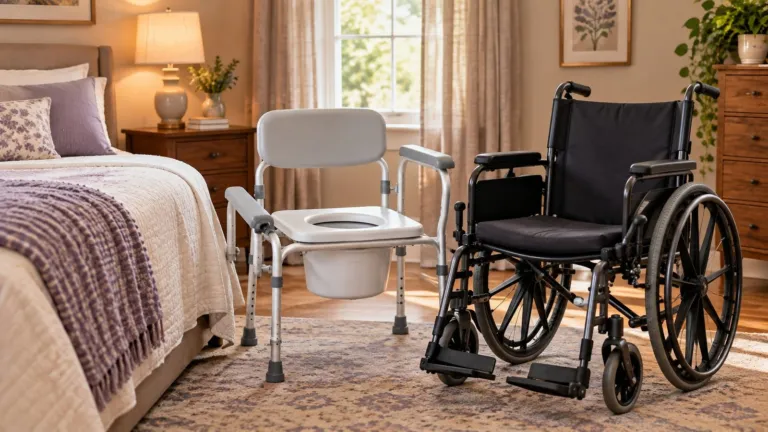
The short answer
- Measure seat height and width for the person using the commode.
- Check overall dimensions and available floor space.
- Choose features according to the person's transfer needs and clinician guidance.
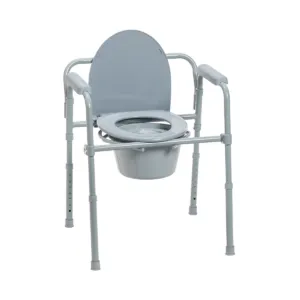
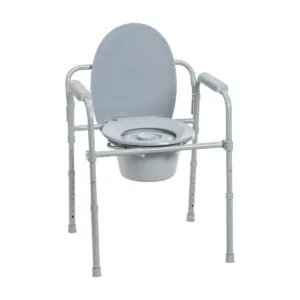
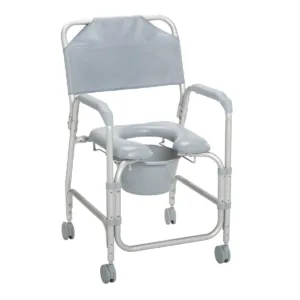
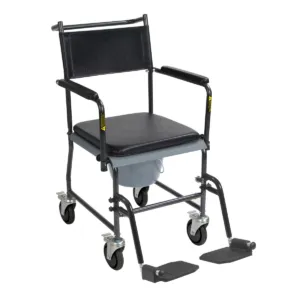
A bedside commode provides a toilet seat and removable container that can be placed closer to the person than the bathroom. Some models can also be used over a toilet or as a toilet safety frame, depending on their design.
The right commode should fit the user, fit the available space and support the transfer method recommended by the person’s clinician.
Who may use a bedside commode?
A commode may be recommended when reaching the bathroom is difficult or when the person needs a toilet surface closer to the bed or chair.
Whether a bedside commode is appropriate depends on the person’s mobility and care plan. A physical therapist or occupational therapist can help assess transfers.
How do you choose seat height?
Many commodes have adjustable legs. Seat height should allow the person to sit with appropriate foot placement and stand according to their transfer plan.
A very low seat may be difficult for some users. A very high seat may leave the feet unsupported. Follow any height recommendation from the therapist.
How wide should the seat be?
Compare the seat width with the person’s body size. The user should be able to sit comfortably between the arms without feeling squeezed.
Also check the overall outside width. A wider commode needs more room beside the bed and may not fit through every doorway.
Why does weight capacity matter?
Check the manufacturer’s stated capacity for the exact commode. Do not estimate capacity from how large or sturdy the frame appears.
If a higher capacity model is required, compare products specifically designed and rated for that use.
What should you know about armrests?
Armrests can provide a place to hold when sitting or standing if the commode is designed for that use. Their spacing and height should fit the user.
Fixed arms may provide a simple structure, while drop arm designs can help in certain transfer setups. The correct type depends on the person.
How does the bucket work?
A bedside commode usually includes a removable bucket or container positioned under the seat. Check how it slides or lifts out and whether it includes a lid or splash guard.
The caregiver should be able to remove and replace the container without difficult reaching. Follow cleaning instructions for the bucket and frame.
Can the commode be used over a toilet?
Some models are designed for this use. The bucket is removed and the frame is positioned over a compatible toilet.
Check the available clearance, toilet height and product instructions. Do not assume every bedside commode can be used this way.
Where should it be placed beside the bed?
Leave enough room for the user and caregiver to approach from the required direction. Avoid placing the commode where the bed, wall or furniture blocks arm movement.
Keep the floor clear and make sure every leg sits firmly on the surface.
What should you inspect?
Check leg adjustment buttons, feet, armrests, seat attachment and bucket supports. The frame should not rock or shift unexpectedly.
If the commode folds, make sure all joints are fully opened and locked before use.
What mistakes are common?
- Choosing seat height without considering the person’s feet and transfer method.
- Buying a wider commode without measuring the room.
- Assuming every commode can go over a toilet.
- Using a capacity that does not match the user.
- Leaving leg adjustment buttons partly engaged.
- Positioning the commode where the caregiver cannot assist as planned.
What should you compare before buying?
Check seat height range, seat width, distance between arms, overall dimensions, weight capacity, bucket design and whether the frame folds or converts for toilet use.
Match those features to the person’s transfer plan and the actual room.
If you are unsure which bedside commode fits your needs, call an Avante Shop specialist for help.
Questions people ask
Can a bedside commode go over a regular toilet?
Some models can. Check the product instructions, toilet dimensions and available clearance.
How high should a commode seat be?
The correct height depends on the user's leg length and transfer needs. A therapist can help set the height.
Are all commode arms the same width?
No. Measure the space between the arms and compare it with the user.
What should I measure in the room?
Check the clear floor space beside the bed, overall commode width and the approach path for the user and caregiver.
This guide is general product information, not medical advice. If you are unsure what is right, speak to your doctor, nurse or therapist.