The short answer
- Choose an aid for one specific task rather than buying a general assortment.
- Handle size, reach and grip should fit the person using it.
- An occupational therapist can suggest tools for individual movement needs.
Daily living aids are simple tools designed to make everyday tasks easier when reaching, gripping, bending or using both hands is difficult. They can be useful for dressing, picking up objects, preparing food or eating.
The most useful approach is to start with one task that is difficult and find a tool designed for that task. An occupational therapist can help when several activities have become difficult or when the person needs a more individualized solution.
What can help with reaching?
A reaching aid has a long shaft with a gripping end controlled from the handle. It can help pick up suitable lightweight objects without bending as far or reaching overhead.
Check the length, handle control and type of gripping jaws. A very long reacher may be harder to control than a shorter one.
Do not use a reacher for heavy, hot or dangerous objects unless the product is specifically designed for that task.
What can help with putting on clothes?
Dressing aids may include long handled shoe tools, button helpers, zipper aids or devices designed to help guide clothing.
The useful tool depends on the exact problem. Someone who has difficulty bending to the feet needs a different aid from someone who has difficulty gripping small buttons.
What can help with socks or shoes?
Some dressing tools are designed to reduce the amount of bending needed when putting on socks or footwear. Long handled shoe tools may also help guide the heel into a shoe.
Check whether the person can use the tool while seated securely. An occupational therapist can demonstrate techniques suited to the individual’s movement restrictions.
What can help with buttons and zippers?
Button aids use a small hook or loop to guide a button through its hole. Zipper aids provide a larger area to hold.
Look for a handle that fits the user’s grip. A very small or slippery handle may defeat the purpose for someone with limited hand control.
What can help with eating?
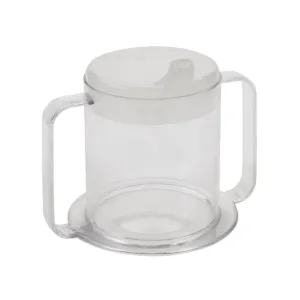
Eating aids may include utensils with larger handles, angled designs or other grip features. Some plates and cups also include shapes intended to make handling easier.
Choose according to the specific difficulty. If swallowing, chewing or another medical issue affects eating, speak with the person’s healthcare professional rather than relying on equipment alone.
How do you choose a handle?
Handle diameter, texture and shape can make a tool easier or harder to hold. Some users prefer a wider grip, while others need a lightweight narrow tool.
If hand pain, weakness or limited movement affects several tasks, an occupational therapist can test different options.
Should tools be used while standing or sitting?
Use them in the position recommended for the person and task. For many dressing activities, a stable seated position may be part of the person’s care or therapy plan.
Do not use a reaching tool as a support for balance or as a substitute for a cane or walker.
How do you keep daily aids within reach?
Store frequently used items where the person can access them without excessive bending or stretching. A bedside organizer, drawer or approved mobility accessory may help.
A useful aid is less helpful if it is always kept in another room.
What mistakes are common?
- Buying a large kit without identifying the actual difficult task.
- Choosing a handle that is harder to grip than the original item.
- Using a reacher for heavy or unsafe objects.
- Using a daily living aid as a balance support.
- Ignoring whether the task is easier while seated.
- Expecting equipment to solve a medical problem that needs professional assessment.
What should you compare before buying?
Think about the exact task, how far the person needs to reach, hand size, grip ability and where the tool will be stored. Check dimensions and product weight when relevant.
Simple tools work best when they solve a clearly defined problem.
If you are unsure which daily living aid fits a particular task, call an Avante Shop specialist for help.
Questions people ask
What is a reacher used for?
It helps pick up suitable lightweight objects from farther away without as much bending or reaching.
Can a reacher replace a cane?
No. A reacher is not designed to support body weight or provide walking support.
What helps with small buttons?
A button aid can provide a larger handle and a tool for pulling a button through its hole.
Who can recommend aids for several daily tasks?
An occupational therapist can assess the person's activities and suggest suitable tools and techniques.
This guide is general product information, not medical advice. If you are unsure what is right, speak to your doctor, nurse or therapist.