The short answer
- Use the cuff size and placement described in the monitor instructions.
- Sit in the position recommended by your clinician and the device manual.
- Do not change medication or treatment based on a reading without speaking with your healthcare professional.
A home blood pressure monitor can record blood pressure outside a clinic when a healthcare professional has asked for home readings or the user chooses to track them. Consistency matters because changes in cuff placement, body position and timing can affect the result.
This guide explains basic equipment use. It does not interpret readings or tell you whether a number is safe. Ask your doctor or nurse what readings they want recorded and what they want you to do with the results.
What kind of monitor should you use?
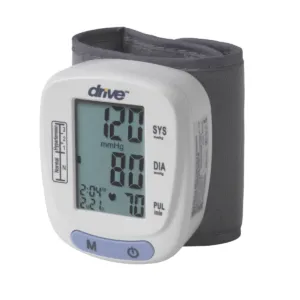
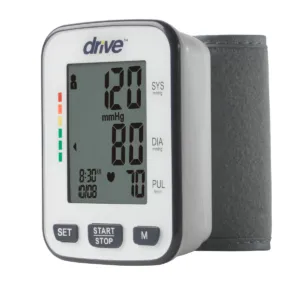
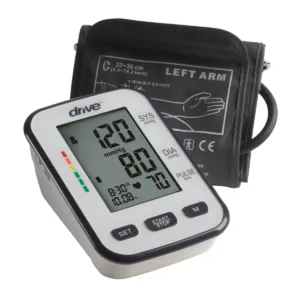
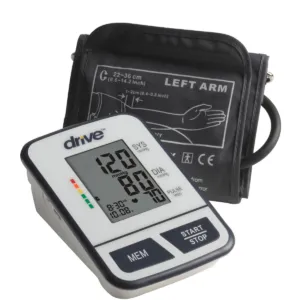
Home monitors use different cuff sizes and controls. Follow any recommendation from your healthcare professional and make sure the cuff fits the arm size specified by the manufacturer.
A cuff that does not fit the intended arm range may not provide the reading the device is designed to produce.
Where does the cuff go?
Most upper arm monitors are designed for the cuff to wrap around bare skin on the upper arm. Follow the placement marks printed on the cuff and the instructions supplied with the monitor.
Do not place the cuff over thick clothing unless the device instructions specifically allow it.
How tight should the cuff be?
The cuff should be secured according to the manufacturer’s fitting instructions. It should not be hanging loose or twisted.
Make sure the tube, if present, is positioned as directed and is not trapped under the arm.
How should you sit?
Use the body position recommended by your healthcare professional and the monitor instructions. This commonly includes sitting with the back supported and the arm resting comfortably.
The arm should not be held in the air during the measurement. Use a table or another stable support if that is part of the recommended setup.
Should you talk during the reading?
Follow the device instructions, which commonly direct the user to remain still and quiet while the measurement is running.
Movement, conversation or adjusting the cuff during inflation may interfere with the measurement process.
Should readings be taken at the same time?
If a clinician has asked for a blood pressure log, follow the schedule they provide. Consistent conditions can make the record easier for the clinician to review.
Do not create your own treatment schedule or change medicines based on home readings without speaking with the healthcare professional responsible for your care.
What should you write down?
Record the information your clinician requests. This may include the displayed reading and other details they consider useful.
Some monitors store readings electronically. If more than one person uses the device, make sure readings are assigned to the correct user profile when that feature is available.
What if the monitor shows an error?
Check the cuff position, tube connection, batteries or power source according to the troubleshooting section of the manual.
If error messages continue, contact the device supplier or manufacturer rather than guessing what the display means.
How should the cuff be stored?
Store the monitor and cuff according to the instructions. Avoid tightly folding or sharply bending tubing if the product uses an air hose.
Keep the cuff dry and clean it only using methods approved for the material.
What mistakes are common?
- Using a cuff that does not fit the arm.
- Placing the cuff over thick clothing.
- Holding the arm unsupported during the reading.
- Talking or moving while the monitor is measuring.
- Mixing readings from several users in one record.
- Changing medication based on home readings without professional guidance.
What should you check before buying?
Check the cuff size range, display readability, controls, memory functions and power source. If large text matters, look at the display dimensions and contrast.
Ask your doctor or nurse whether they have a preferred type of home monitor and how they want readings recorded.
If you are unsure which monitor features you need, call an Avante Shop specialist for help.
Questions people ask
Can I put the cuff over my shirt?
Follow the monitor instructions. Upper arm cuffs are commonly intended to be placed on bare skin rather than over thick clothing.
What if the cuff is too small?
Use a cuff within the arm size range stated by the manufacturer. A healthcare professional can help confirm fit.
Should I change my medicine if my home reading changes?
Do not change medication based on a home reading without speaking with the healthcare professional responsible for your care.
Why does my monitor show an error?
Check the manual for cuff placement, movement, tubing and power related error messages. Contact the supplier if the problem continues.
This guide is general product information, not medical advice. If you are unsure what is right, speak to your doctor, nurse or therapist.