The short answer
- Check the manufacturer's stated weight capacity for the exact product.
- Measure seat width, overall width and handle height separately.
- Make sure the equipment also fits the home, vehicle and person using it.
When someone needs mobility equipment with a higher weight capacity, capacity is only the first specification to check. The equipment also needs to fit the person’s body, work at the correct height and move through the places where it will be used.
Do not choose based on appearance alone. A wider walker or wheelchair does not automatically have a particular weight capacity. The manufacturer’s stated capacity for the exact product is the number that matters.
What does weight capacity mean?
Weight capacity is the maximum load the manufacturer states that the equipment is designed to support. Check the instructions for what is included in that load. Accessories or items carried on the equipment may need to be considered depending on the product.
The user’s body weight should be within the listed limit. Do not intentionally exceed the stated capacity, even for short use.
Does higher capacity always mean wider equipment?
Not always. Higher capacity products often use stronger frames or different construction, but width varies. Check seat width or frame width as its own specification.
For wheelchairs and seated rollators, measure the person as directed by the manufacturer rather than choosing a seat only because it looks roomy. Too much extra width can make positioning, reaching and moving the equipment more difficult.
What should you measure for a wheelchair?
Measure the person while seated in their usual clothing. Check the widest part of the hips or thighs for a starting seat width measurement. Also consider seat depth, seat height and lower leg position.
Then compare the wheelchair’s overall width with the home. A wider seat usually means a wider chair, but the total outside measurement is what determines whether it will pass through doors and hallways.
If the user has complex seating or positioning needs, ask a physical therapist or occupational therapist for an individual assessment.
What should you check for a walker?
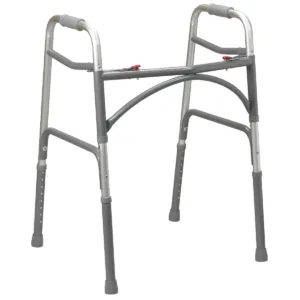
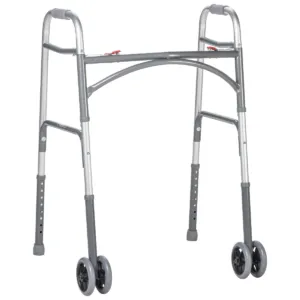
Check the weight capacity, handle height range and overall width. The handles should be adjustable to a suitable level for the person. A common starting point is near the wrist crease when the person stands naturally with arms relaxed, but individual posture can change the best setting.
Also check whether the walker can pass through the narrowest places in the home. Measure bathroom doors, bedroom entrances and spaces around furniture.
What should you check for a rollator?
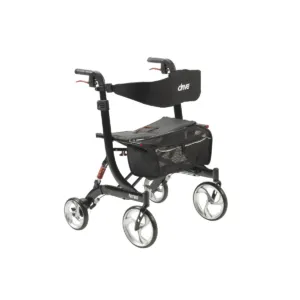
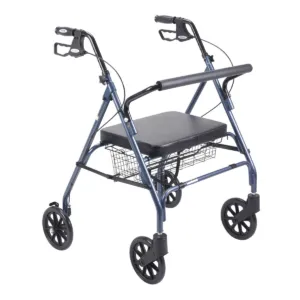
For a rollator, compare weight capacity, handle adjustment range, overall width, wheel design and brakes. If the rollator has a seat, check the seat width, seat height and stated seat capacity.
The person should be able to reach and operate the brake levers comfortably. A larger or stronger frame may also weigh more, so check product weight if the rollator needs to be lifted into a vehicle.
Why does equipment weight matter too?
A higher capacity frame may be heavier than another version. That can matter for family members or caregivers who need to fold and transport it.
Check the total product weight and folded dimensions. If parts are removable, find out whether removing them makes transport easier. The person responsible for lifting should be able to manage the equipment comfortably.
Will it fit through the home?
Measure before ordering. The narrowest doorway often determines whether a wider mobility device will work in the home, but turning space matters too. A chair may fit through a door and still be difficult to turn in a bathroom or hallway.
Check the route from the bedroom to the bathroom, living area and entrance. Look for narrow passages, furniture, rugs and thresholds that could affect movement.
What about seats and cushions?
If a wheelchair or rollator includes a seat, capacity does not tell you whether the seat fits the person. Compare seat width and depth separately. For wheelchair cushions, make sure the cushion dimensions match the chair seat and the user’s seating plan.
A clinician can help when the person needs special positioning, pressure management or support.
What mistakes are common?
- Assuming a wide frame automatically has a higher weight capacity.
- Choosing only by capacity without checking height adjustment.
- Ignoring overall width and doorway measurements.
- Forgetting that a stronger frame may also be heavier to lift.
- Choosing an oversized seat without measuring the user.
- Hanging extra weight from handles or parts not designed for storage.
What should you compare before buying?
Write down the user’s body weight, relevant body measurements and the narrowest spaces the equipment must pass through. Compare those with the exact product specifications for weight capacity, seat size, handle range, overall width and product weight.
Higher capacity equipment should still feel like equipment fitted to a person, not simply a larger version of a standard product.
If you are unsure which higher capacity option fits your needs, call an Avante Shop specialist for help.
Questions people ask
Is bariatric equipment just wider?
No. Products designed for higher capacity may use different frame construction as well as different dimensions. Always check the stated capacity and measurements.
Can I choose a wheelchair based on body weight alone?
No. Body weight helps determine capacity, but seat width, depth and height still need to fit the person.
Do higher capacity rollators weigh more?
Some do, but product weights vary. Check the listed weight if the rollator needs to be folded or lifted.
Why should I measure my doors?
Higher capacity equipment may have a wider frame. Compare the product's overall width with the narrowest places it needs to pass.
This guide is general product information, not medical advice. If you are unsure what is right, speak to your doctor, nurse or therapist.