The short answer
- Measure the seated person's hips or thighs at the widest point for a seat width starting measurement.
- Check seat depth and seat height as well as width, especially with normal shoes and footrests.
- Compare both the user's weight capacity needs and the chair's own weight for lifting and transport.
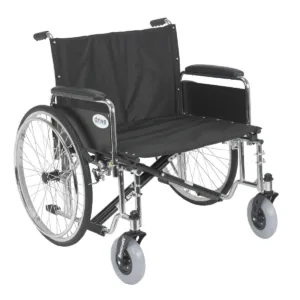
Choosing a wheelchair starts with fit. Seat width, seat depth, seat height, user weight and the chair’s own weight all affect how comfortable and practical the chair will be. A chair that is too narrow can feel cramped. A chair that is too wide can make positioning and pushing harder. A seat that is too high or too low can also change how the person’s feet and legs are supported.
Use the manufacturer’s sizing information for the specific wheelchair. If the person has complex positioning needs, pain, skin concerns or difficulty sitting upright, ask a physical therapist, occupational therapist or other qualified clinician for an individual seating assessment.
How do you measure wheelchair seat width?
Measure the person while they are seated on a firm, level surface in the clothing they normally wear. Measure across the widest part of the hips or thighs, whichever is wider. Keep the tape straight rather than wrapping it around the body.
Then compare that body measurement with the wheelchair’s listed seat width and the manufacturer’s fitting guidance. The goal is enough room to sit comfortably without leaving so much extra side space that the person shifts around or has difficulty reaching the wheels and armrests.
Do not choose seat width from body weight alone. Two people with the same weight can have very different body shapes and need different seat widths.
What about seat depth?
Seat depth is the distance from the back of the seat to the front edge. To estimate the person’s need, measure from the back of the buttocks to the back of the knee while the person is sitting upright. Compare that measurement with the manufacturer’s fitting directions.
A seat that is too deep can press into the back of the knees or encourage the person to slide forward. A seat that is too shallow may not support enough of the thighs. If the user needs special positioning or a wheelchair cushion, include the cushion in the overall seating plan.
How do you think about seat height?
Seat height affects foot placement, transfers and how easily the user can reach the floor. Measure with the shoes the person normally wears. If footrests will be used, check that the lower legs and feet can be supported without the footplates sitting too low or too high.
Some users may need a lower seat to place their feet on the floor for certain mobility tasks. Others may need a different setup because of leg length, joint movement or transfer technique. Those are personal fitting decisions, so a clinician should guide them when needed.
Why does user weight capacity matter?
Every wheelchair has a stated weight capacity. The user’s body weight should be within that limit. Also account for anything the manufacturer says must be included when checking capacity, such as accessories or carried items.
Do not assume a wider wheelchair automatically has a higher capacity. Width and capacity are separate specifications. If a higher capacity chair is needed, compare products specifically designed and rated for that use.
Why does the wheelchair’s own weight matter?
The chair’s product weight matters most when someone has to lift, carry or load it. A chair that works well for sitting may still be difficult for a family member to put into a vehicle. Check total product weight, and also check whether parts such as footrests can be removed before lifting.
Think about who will handle the chair and how often. If it will stay mostly inside the home, folded weight may matter less. If it will be loaded into a car often, lifting and folded size may be major parts of the decision.
Will the user push the chair or will someone else push it?
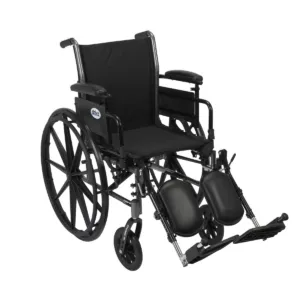
A standard wheelchair often has large rear wheels with hand rims that may allow the seated user to propel the chair if they are able to do so. A caregiver can also push it using the rear handles. Whether self propulsion is suitable depends on the person’s strength, reach, coordination and clinical guidance.
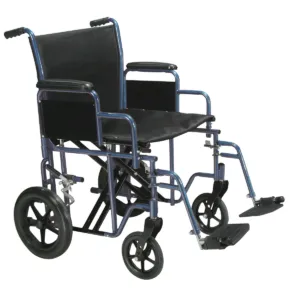
If the chair will be pushed almost entirely by another person, a transport chair may also be worth comparing. Transport chairs usually have smaller rear wheels and are designed for an attendant to push. They are not the same as standard wheelchairs.
What should you measure in the home?
Measure doorways, hallways and the spaces where the chair will turn. Check the bathroom entrance, bedroom path, dining area and any place where a transfer will happen. Compare these measurements with the wheelchair’s overall width, not just the seat width.
Also think about thresholds, ramps and floor surfaces. A chair needs enough room to approach and pass through these areas without forcing sharp turns or awkward handling.
What mistakes are common when choosing a wheelchair?
- Buying by body weight without measuring seat width.
- Using seat width as if it were the wheelchair’s total outside width.
- Ignoring seat depth and focusing only on width.
- Forgetting to measure while the person is wearing normal shoes and clothing.
- Choosing a chair that fits the user but is too heavy for the person who must load it.
- Assuming a wider chair automatically has a higher weight capacity.
What should you check before buying?
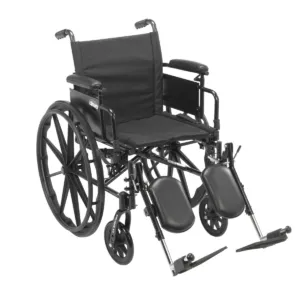
Confirm seat width, seat depth, seat height, overall width, weight capacity, product weight and folded size. Check armrest and footrest style, wheel design and any cushion the person plans to use. Compare every specification with the user’s measurements and the places where the chair will be used.
If you are unsure about wheelchair fit or measurements, call an Avante Shop specialist for help.
Questions people ask
How much extra room should a wheelchair seat have?
Use the wheelchair manufacturer's fitting guidance rather than adding a guessed amount. The aim is comfortable room without making the seat so wide that positioning and propulsion become difficult.
Is wheelchair seat width the same as total chair width?
No. Seat width describes the seating space, while overall width includes the frame and wheels. Measure doorways against the overall width.
Does a wider wheelchair hold more weight?
Not necessarily. Seat width and weight capacity are separate specifications, so check both for the exact chair.
Why should I check the wheelchair's own weight?
Product weight matters when someone must fold, lift or load the chair into a vehicle. Removable parts can also affect what has to be lifted.
Should I measure with shoes on?
Yes, use the footwear the person normally wears when checking seated height, lower leg position and footrest fit.
This guide is general product information, not medical advice. If you are unsure what is right, speak to your doctor, nurse or therapist.