The short answer
- Check the chair's total product weight and which parts can be removed before lifting.
- Make sure seat size, weight capacity and overall width still fit the user.
- Think about who will lift, fold, push and store the chair.
A lightweight wheelchair can make a noticeable difference when a chair is folded, lifted into a vehicle or carried between locations. But choosing the lightest chair you can find is not always the best approach. The wheelchair still needs to fit the person, provide the required support and work in the places where it will be used.
Start by separating two different numbers: the wheelchair’s own product weight and the maximum user weight it is designed to carry. These are not the same thing. A lighter chair can still have a suitable capacity, but you should always check the exact specifications rather than guessing from appearance.
Why does wheelchair weight matter?
Chair weight matters most when someone needs to lift it. This may happen when loading it into a car, carrying it up a few steps or moving it into storage. A difference that feels small while reading specifications can feel much more important when the chair has to be lifted repeatedly.
Think about the person doing the lifting. A chair that one caregiver can handle comfortably may be difficult for another. If lifting is an important part of daily use, consider both the complete chair weight and the weight after removable parts are taken off.
What parts may come off before lifting?
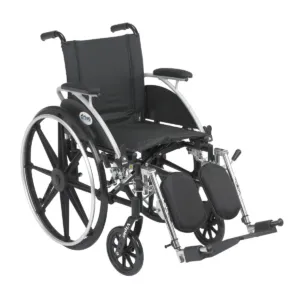
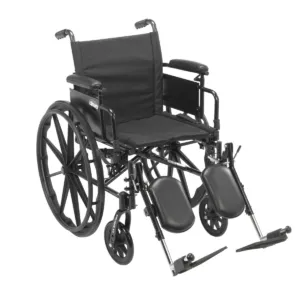
Depending on the wheelchair, footrests, leg rests, cushions and other accessories may be removable. Taking these items off can make the main frame easier to handle and can also make it more compact.
Check the product instructions before removing anything. Make sure every part is attached correctly again before the wheelchair is used. Do not assume that every removable component is designed to be taken off for transport.
Does a lighter wheelchair still need to fit properly?
Yes. Chair weight should never replace basic fitting checks. Measure the person’s seated width and compare it with the listed seat width. Check seat depth, seat height, armrest position and footrest setup as well.
Also check the manufacturer’s weight capacity. A chair that is easy to lift but does not fit the user properly is not a useful choice. If the person needs special seating, positioning or pressure management, ask a physical therapist or occupational therapist for help with the chair and cushion setup.
What is the difference between seat width and overall width?
Seat width is the space available for the person to sit. Overall width is the outside measurement of the entire wheelchair, including the frame and wheels. Overall width is the measurement that matters when checking whether the chair will pass through a doorway or fit beside furniture.
Measure the narrowest places the chair will regularly use. Include bedroom doors, bathroom entrances, hallways and vehicle access. Do not assume a narrower seat automatically means the complete chair will fit a particular space.
Will the user push the wheelchair?
If the person plans to propel the wheelchair using the rear hand rims, check whether the chair is designed for self propulsion and whether the user can comfortably reach the wheels. A lighter frame may reduce some handling effort, but wheel position, seat fit and the person’s ability are also important.
If another person will do most of the pushing, look at the push handles, overall chair weight and the surfaces where the chair will be used. A caregiver may value a light frame for vehicle loading while also needing wheels that work well on the usual route.
How important is folded size?
Very important if the wheelchair will travel in a vehicle or be stored in a limited space. Product weight and folded size are separate specifications. A light wheelchair can still take up more room than expected.
Measure the vehicle trunk, cargo area or storage location before ordering. Check whether footrests or other parts need to be removed for the chair to fit. Think about how the folded chair will be lifted into that space without awkward twisting.
Should you compare wheel and tire design?
Yes. Wheelchair weight is only one part of how a chair feels to push. Wheel size, tire type and the surface underneath can affect handling. Smooth indoor floors are different from carpet, pavement, thresholds or rough outdoor paths.
Use the chair according to the manufacturer’s intended use. If the normal route includes difficult surfaces, ask a mobility specialist whether the chair is appropriate for that environment.
What mistakes are common?
- Choosing only by the lowest product weight.
- Confusing chair weight with user weight capacity.
- Ignoring seat width, depth and height.
- Forgetting to measure the vehicle or storage space.
- Assuming every lightweight chair has the same removable parts.
- Buying a chair that is easy to lift but difficult for the user to sit in comfortably.
What should you check before buying?
Compare product weight, weight capacity, seat dimensions, overall width, folded size and removable components. Check the wheel design, armrests, footrests and how the chair will be propelled. Then think about both people involved: the person sitting in the chair and the person who may need to push, fold or lift it.
If you are unsure which wheelchair features matter most, call an Avante Shop specialist for help.
Questions people ask
What does lightweight mean for a wheelchair?
There is no single weight that defines every lightweight wheelchair. Compare the listed product weight with other chairs that meet the same fit and capacity needs.
Is the lightest wheelchair always easiest to use?
No. Seat fit, wheel design, overall size and the surfaces where the chair is used also affect handling.
Can I remove the footrests before putting the chair in a car?
Many wheelchairs have removable footrests, but designs vary. Follow the instructions for the specific chair.
Should I measure my car before buying?
Yes. Compare the chair's folded dimensions with the available cargo space and consider how the chair will be lifted into it.
This guide is general product information, not medical advice. If you are unsure what is right, speak to your doctor, nurse or therapist.