The short answer
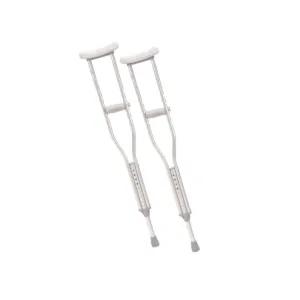
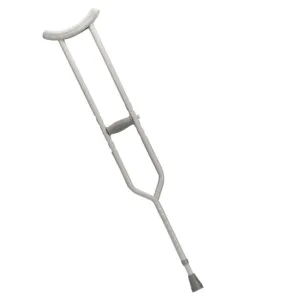
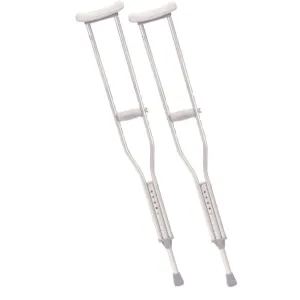
- Underarm crutches support through the hands with the top positioned below the armpit.
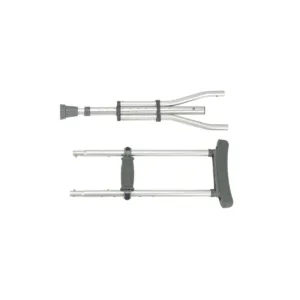
- Forearm crutches use a cuff around the forearm and a handgrip.
- Correct type and fit should follow guidance from a doctor or physical therapist.
Underarm and forearm crutches both help a person move while placing weight through the hands, but they fit the body differently. The best style depends on the reason the crutches are being used, how much weight the person is allowed to place through the legs and the person’s strength, balance and coordination.
A doctor or physical therapist should guide the choice when crutches are being used because of an injury, surgery or change in walking ability. This guide explains the equipment differences and fitting checks, not how much weight a person should place on an injured leg.
What are underarm crutches?
Underarm crutches have a padded top section that sits below the armpit, a handgrip and a tip at the bottom. The person’s weight should be controlled through the hands rather than by pressing body weight down into the armpits.
The overall crutch height and the handgrip position are usually adjustable. Both settings need to fit the user.
What are forearm crutches?
Forearm crutches have a cuff that fits around the forearm and a handgrip below it. There is no padded top under the arm. The cuff helps keep the crutch connected to the arm when the hand briefly releases the grip.
Forearm crutches can suit people who have been trained to use them and need that style of mobility support. They require good control of the hands, arms and upper body.
How should underarm crutches fit?
Wear normal footwear and stand as directed by the clinician fitting the crutches. The padded top should sit below the armpit rather than pressing directly into it. The handgrip should allow a comfortable bend at the elbow when the person holds it.
Do not raise the crutch until the pad is wedged tightly into the armpit. Excess pressure in that area is not the intended way to support body weight.
If a therapist has marked or set the crutch height, do not change it without checking why the setting was chosen.
How should forearm crutches fit?
Forearm crutch fit includes the overall shaft height, handgrip position and cuff position. The handgrip should allow a comfortable elbow position while the user stands as instructed.
The cuff should sit around the forearm rather than directly over the elbow joint. Cuff style and adjustment vary by product, so use the manufacturer’s instructions and any fitting directions from the person’s therapist.
How do you adjust crutches safely?
Many crutches use push buttons and adjustment holes. Some also use collars or fasteners. Adjust both crutches to matching settings unless a clinician has instructed otherwise.
Make sure every button is fully engaged in its hole and every fastener is secure. Press down gently through the handgrips before use to make sure the shafts do not slide.
Why do the handgrips matter?
The hands carry much of the working load with either style of crutch. The grip should be secure and comfortable enough for the person’s hand size.
Check that the grips do not rotate unexpectedly or feel loose. If the person has hand pain, weakness or difficulty holding the grips, ask a clinician whether a different setup is needed.
What should you check at the bottom?
Crutch tips contact the floor and should be inspected regularly. Look for worn tread, cracks, hardening or a tip that no longer sits evenly.
Replace damaged tips with compatible parts. Both crutches should have tips in good condition. Do not keep using a crutch if its tip is missing or unable to grip the surface as designed.
Which style is easier for occasional use?
There is no single answer. Underarm crutches are familiar to many people and are commonly supplied for temporary mobility needs. Forearm crutches may be chosen for other situations or longer patterns of use.
The important question is not which style looks easier. It is which style the person can use correctly under the guidance they have been given.
What mistakes are common?
- Resting body weight heavily into the armpit pads.
- Setting the handgrips too high or too low.
- Leaving adjustment buttons partly engaged.
- Using worn crutch tips.
- Changing a clinician fitted height without checking.
- Choosing crutches without guidance about how they should be used.
What should you check before buying?
Compare user height range, weight capacity, adjustment method, handle style, cuff design for forearm crutches and product weight. Check replacement tip availability if the crutches will be used regularly.
Crutches are only useful when both the equipment and the walking instructions match the person.
If you are unsure which crutch style or size you need, call an Avante Shop specialist for help.
Questions people ask
Should underarm crutches press into my armpits?
No. The top pad should sit below the armpit. Body weight is controlled mainly through the hands.
What is the cuff for on a forearm crutch?
The cuff fits around the forearm and helps keep the crutch aligned with the arm. Its position should follow the product fitting instructions.
Can I change the height myself?
Adjustable crutches can be changed according to their instructions, but do not alter a clinician fitted setting without understanding why it was chosen.
How do I know when a crutch tip needs replacing?
Look for worn tread, cracks, hardening or uneven contact with the floor. Use a compatible replacement tip.
This guide is general product information, not medical advice. If you are unsure what is right, speak to your doctor, nurse or therapist.