The short answer
- Choose the bath chair according to the child's positioning and support needs.
- Measure both the child and the bathing area.
- Check straps, supports, adjustment range and caregiver access.
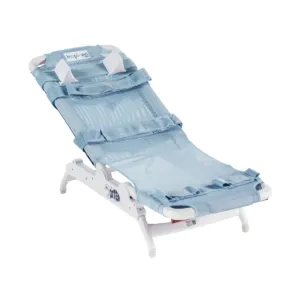
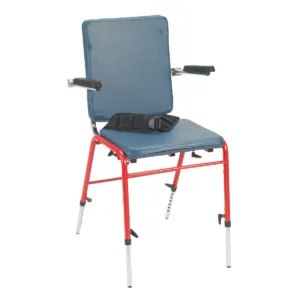
A pediatric bath chair provides a supported place for a child to sit or recline during bathing. Designs vary from simple seats to adjustable systems with head, trunk or leg supports.
The right chair depends on the child’s body size, posture, movement and bathing routine. An occupational therapist or physical therapist should help select and fit the equipment when a child needs additional positioning support.
What does a pediatric bath chair do?
The chair supports the child in the bathing area while allowing access for washing. It may hold the child more upright or in a more reclined position depending on the design.
Some chairs sit directly in a tub or shower. Others may use a separate base. Check the intended setup for the exact product.
What measurements are needed?
The therapy team may use measurements such as the child’s height, seated dimensions and body weight to select the correct size.
Also measure the tub or shower. The complete frame needs to fit with all feet or supports positioned correctly.
Do not choose a larger chair only for future growth if the current support points do not fit the child.
Why do adjustment ranges matter?
A chair may allow the back, seat or leg support to change angle. These adjustments affect the child’s position and caregiver access.
Use the angles recommended by the therapist and allowed by the product. Make sure every adjustment locks securely before placing the child in the chair.
What types of supports may be included?
Depending on the chair, there may be head supports, trunk straps, pelvic straps or leg supports. These components are intended to help maintain the position for which the chair was fitted.
Straps should be routed and fastened exactly as instructed. Do not create extra straps or change their path.
How much room does the caregiver need?
The chair must fit the bathing space while leaving enough room for the caregiver to reach the child and shower controls.
Consider how the child is placed into and removed from the chair. A chair that fits inside the tub may still be difficult to access if the bathroom is crowded.
Can a handheld shower spray help?
A handheld shower spray can make it easier to direct water while the child remains positioned in the chair. Check hose length and make sure it does not wrap around the frame.
Keep soap, towels and other items within caregiver reach so attention does not need to shift away from the child.
What should you know about the feet or base?
The chair should stand securely on the surface for which it is designed. Check suction feet, rubber tips or base components for wear.
Do not use the chair if a leg or support point cannot contact the surface as intended.
How should the chair be cleaned?
Bath equipment is regularly exposed to water and soap. Follow the manufacturer’s cleaning and drying instructions.
Pay attention to straps, fabric covers, hinges and areas where water can collect. Replace damaged components with compatible parts.
What mistakes are common?
- Choosing size without the therapy team’s measurements.
- Buying a larger chair for growth even though the current supports do not fit.
- Changing recline or strap positions without understanding their purpose.
- Using the chair in a tub that is too small for its full footprint.
- Allowing the shower hose to tangle around the frame.
- Ignoring worn straps or suction feet.
What should you compare before buying?
Check the child’s size range, weight capacity, chair dimensions, adjustment positions, support straps, head support options and base design. Measure the bathing area and consider caregiver access.
Use the child’s occupational or physical therapist as the main guide for positioning needs.
If you are unsure which bath chair specifications to compare, call an Avante Shop specialist for help.
Questions people ask
Can I choose a pediatric bath chair by age?
Body measurements and support needs are more useful than age alone. Use the manufacturer's sizing information and therapy guidance.
Should I buy a larger size for growth?
The chair needs to fit the child's current support needs. Discuss growth range with the therapy team.
Can bath chair straps be moved?
Only adjust or route straps according to the product instructions and the child's positioning plan.
Do I need to measure the bathtub?
Yes. Check the full chair or base dimensions against the available bathing space.
This guide is general product information, not medical advice. If you are unsure what is right, speak to your doctor, nurse or therapist.