The short answer
- Use measurements from the child's therapist rather than age alone.
- Check seat width, depth, height, foot support and overall chair size.
- Plan for growth through approved adjustments, not an oversized starting fit.
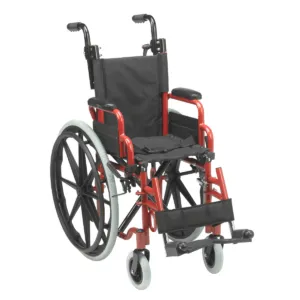
A child’s wheelchair is both mobility equipment and a seating system. Seat size, wheel position, foot support, posture and growth all need to be considered together.
A pediatric physical therapist or occupational therapist should assess the child and help select the wheelchair. This is especially important when the chair includes positioning supports or will be used for long periods.
Why is age not enough to choose a wheelchair?
Children of the same age can have very different body sizes and mobility needs. Wheelchair selection should use actual measurements and the child’s functional needs.
The therapy team may measure seated width, seat depth, lower leg length and other dimensions depending on the chair.
How is seat width checked?
Seat width should match the child’s current body size according to the wheelchair manufacturer’s fitting guidance and the therapist’s assessment.
A seat that is far too wide can make positioning difficult and place the wheels farther from the child’s hands if self propulsion is part of the plan.
Why does seat depth matter?
Seat depth affects how much of the thighs are supported and how the child sits against the back support.
Too much depth may interfere behind the knees. Too little may provide inadequate thigh support. Use the therapist’s measurement and the chair’s adjustment range.
How should growth be handled?
Pediatric equipment often includes adjustment for growth. The goal is to start with an appropriate fit and use approved adjustments as the child grows.
Do not choose a chair that is substantially oversized simply to make it last longer. The child needs a usable fit from the beginning.
What about footrests?
The feet should be supported according to the child’s seating plan. Footrest height and angle may be adjustable.
As the child grows, lower leg length should be reviewed. Do not let the footrests remain at an old setting if the child’s legs have grown.
Will the child push the chair?
If self propulsion is part of the child’s mobility plan, wheel position, seat height and hand rim access are important. The child should be able to reach the wheels in the way recommended by the therapist.
If caregivers will do most of the pushing, handle height and overall chair weight may also matter.
What positioning supports may be needed?
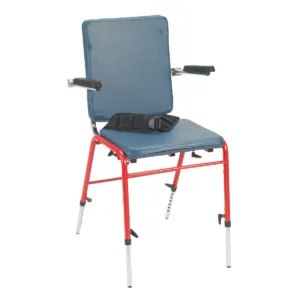
Depending on the child, the wheelchair may use a specific cushion, back support, head support, trunk support or other components.
These should be selected and adjusted by the therapy team. Adding supports without a seating assessment can change posture in unintended ways.
Will the chair fit at home and school?
Measure doorways, hallways, classroom spaces and transportation areas. Compare those dimensions with the chair’s overall width and length.
Consider desk access and whether the chair must fit into a family vehicle or another transport system.
How important is chair weight?
Product weight matters if a caregiver regularly lifts the chair. Check folded dimensions, removable parts and the weight of the main frame.
Do not reduce weight at the expense of supports the child needs.
What mistakes are common?
- Choosing a wheelchair by age rather than body measurements.
- Buying a seat that is too wide to allow room for growth.
- Ignoring seat depth and footrest position.
- Adding positioning accessories without therapist guidance.
- Failing to measure school, home and vehicle spaces.
- Not reviewing fit as the child grows.
What should you compare before buying?
Check seat width, depth and height, growth adjustment, weight capacity, overall size, product weight, wheel configuration, footrests and compatible positioning components.
Bring those specifications back to the child’s therapy team before making the final choice.
If you are unsure which pediatric wheelchair specifications to compare, call an Avante Shop specialist for help.
Questions people ask
Can I choose a child's wheelchair based on age?
No. Actual body measurements and mobility needs are more useful than age.
Should the chair be oversized for growth?
The child needs an appropriate current fit. Growth should be handled through approved adjustments when available.
Who should measure the child?
A pediatric physical therapist or occupational therapist can perform a seating and mobility assessment.
What should I measure at school?
Check doorways, desks, classroom turning space and transportation areas that the wheelchair must use.
This guide is general product information, not medical advice. If you are unsure what is right, speak to your doctor, nurse or therapist.