The short answer
- Wedges and positioning cushions are designed to support the body in specific positions.
- Shape, firmness, cover and dimensions should match the intended use.
- Use them according to the person's clinician directed positioning plan.
Positioning cushions and wedges are shaped supports used around the body while a person is sitting or lying down. They may be made from foam or other materials and come in different sizes and shapes.
They should not be placed at random. If the cushion is part of a positioning, pressure management or recovery plan, a doctor, nurse, physical therapist or occupational therapist should explain where it belongs and how it should be used.
What is a bed wedge?
A bed wedge is a firm, sloped cushion. Depending on the product and care plan, it may be used to support part of the upper body, legs or another area.
Wedges vary in angle, size and firmness. Do not choose an angle based only on appearance. The intended position should come from the product instructions and the person’s clinician.
What are positioning cushions?
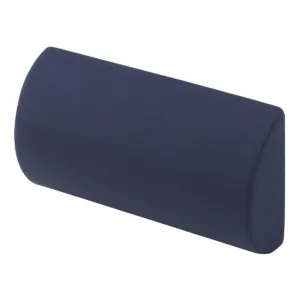
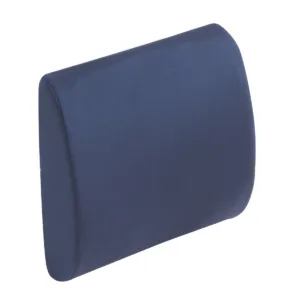
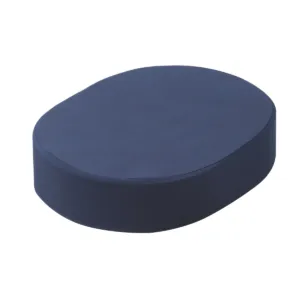
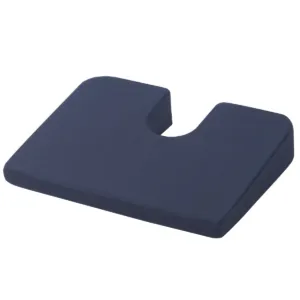
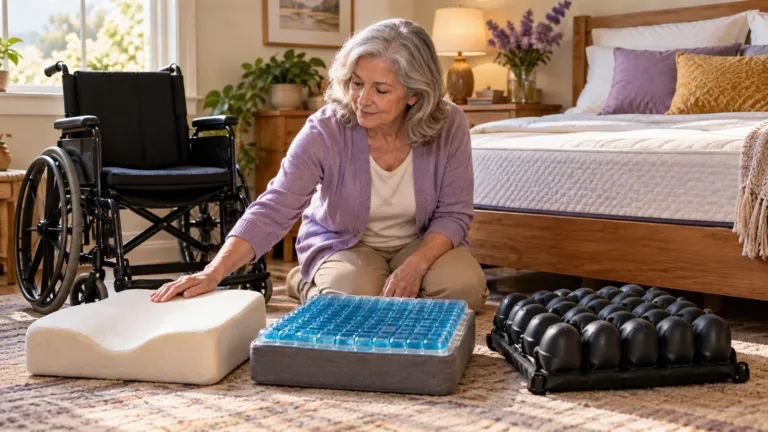
Positioning cushions include bolsters, contoured foam shapes and other supports designed to hold or support a part of the body.
Some are intended for beds and others for chairs. Check the product’s intended use rather than assuming any cushion can be used anywhere.
How do you choose the right size?
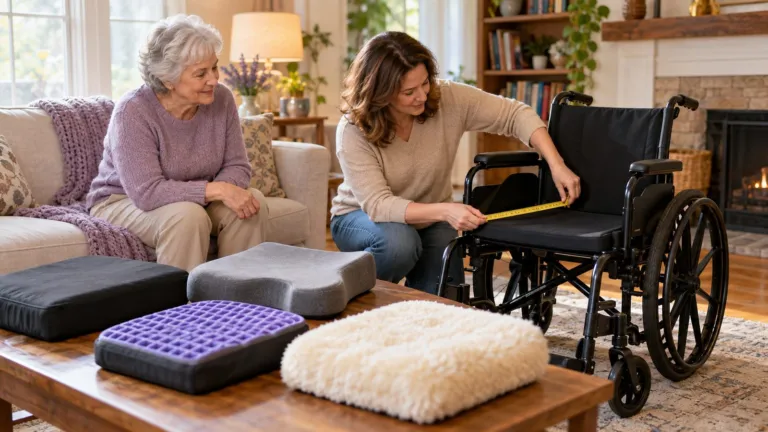
Start with where the cushion will be used and which part of the body it needs to support. Compare the product dimensions with the bed or chair.
A wedge that is too large can crowd the sleeping surface. One that is too small may not support the intended area as designed.
Does firmness matter?
Yes. A very soft household pillow behaves differently from a shaped positioning cushion. Purpose built products are designed to maintain a particular form under use.
Do not replace a prescribed support with a random pillow unless the clinician says the substitution is appropriate.
What should you know about covers?
Many positioning products have removable or wipeable covers. Check how the cover should be cleaned and whether it can be replaced.
The cover should fit smoothly and should not bunch around the cushion. Avoid adding tight coverings that change the shape or compress the foam.
Can wedges be stacked?
Do not stack positioning cushions simply to create more height. Stacking can make the setup unstable or change the angle in a way that was not intended.
If the prescribed position cannot be achieved with the available cushion, ask the clinician to review the setup.
How do positioning cushions work with a pressure mattress?
Additional positioning equipment can affect how the body contacts a support surface. If the person uses a pressure management mattress, confirm that added wedges or cushions are compatible with the care plan.
Do not cover a specialized mattress with thick layers that interfere with its intended function.
Can a positioning cushion be used in a wheelchair?
Only if the product is designed for that use and fits the person’s seating plan. Wheelchair positioning requires careful attention to seat width, depth, cushion height, footrests and posture.
Use a wheelchair cushion designed for seating rather than placing a general bed wedge on the chair unless a clinician has specifically directed that setup.
What should caregivers inspect?
Check the foam or internal material for flattening, cracks or loss of shape. Inspect the cover for tears, failed zippers or damaged seams.
Make sure the cushion remains in the position specified in the care plan and has not gradually shifted under bedding.
What mistakes are common?
- Choosing a wedge by angle without clinical guidance.
- Stacking several cushions to create more height.
- Using a household pillow instead of a prescribed positioning support.
- Using a bed cushion in a wheelchair without checking suitability.
- Adding thick layers over a specialized support mattress.
- Continuing to use foam that has permanently lost its shape.
What should you compare before buying?
Check dimensions, shape, firmness, cover type, weight capacity if stated and the product’s intended use. Make sure the support will physically fit the bed or chair.
Most importantly, confirm that the shape and position match the person’s clinical plan.
If you are unsure which positioning support fits your setup, call an Avante Shop specialist for help.
Questions people ask
Can I use any pillow for positioning?
Household pillows and purpose built positioning cushions behave differently. Follow the person's care plan and product instructions.
Can I stack two wedges?
Do not stack supports unless the clinician and product instructions allow that setup.
Can a bed wedge go in a wheelchair?
Only use products designed and recommended for the seating setup. Wheelchair positioning should be assessed carefully.
When should a foam positioning cushion be replaced?
Check for permanent flattening, cracking, loss of shape or cover damage and follow the manufacturer's replacement guidance.
This guide is general product information, not medical advice. If you are unsure what is right, speak to your doctor, nurse or therapist.