The short answer
- A shower chair generally sits fully inside the shower or tub area.
- A bath bench provides a wider sitting surface inside the bathing space.
- A transfer bench extends across the tub edge so the person can sit before moving the legs inside.
A shower chair, bath bench and transfer bench all provide a place to sit while bathing, but their shapes and placement are different. Choosing the right type starts with the bathroom itself and how the person gets into the bathing area.
If the person has difficulty standing, stepping over a tub wall or transferring safely, an occupational therapist or physical therapist can assess the bathroom and recommend an appropriate setup.
What is a shower chair?
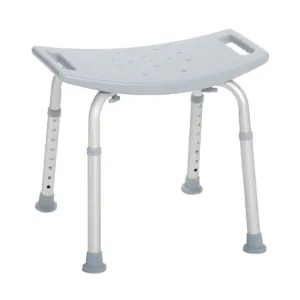
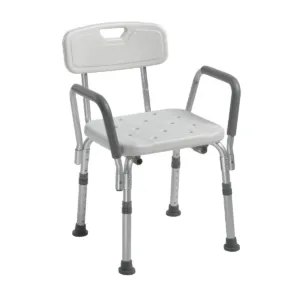
A shower chair is generally a compact seat with legs that stands inside a shower or bathtub. Some designs have a back and arm supports, while others are simpler stools.
It can be useful when the main need is sitting during bathing rather than crossing the edge of a bathtub. The entire chair needs to fit on the bathing surface with all legs positioned as intended.
What is a bath bench?
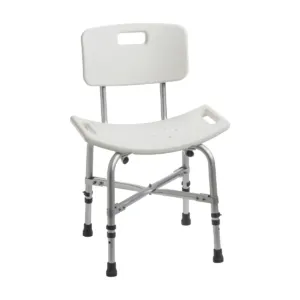
A bath bench provides a seated surface for bathing and may be wider than a basic shower chair. Designs vary in width, back support and arm support.
The important measurement is not only the seat. Check the full outside footprint, including the legs. The bench needs enough room to stand level without a leg sitting on a curved tub wall or unstable surface.
What is a transfer bench?
A transfer bench is designed to span the side of a bathtub. Part of the bench sits outside the tub and part sits inside. The user can sit on the outside portion and move across the bench rather than stepping fully over the tub wall.
Transfer benches take more bathroom floor space than most shower chairs. Measure the area beside the tub before buying.
How do you measure the bathroom?
Measure the width and depth of the shower or tub floor where the legs will stand. Note curved surfaces, sloped sides and any built in ledges.
For a transfer bench, also measure the clear floor space outside the tub. Check whether the toilet, sink, cabinet or bathroom door would interfere with the bench.
Measure the height of the tub wall if the product specifications ask for it.
Does seat height matter?
Yes. Many bath seats have adjustable legs. The seat should be set according to the product instructions and the person’s needs.
A seat that is very low may make standing more difficult. A seat that is too high may affect foot placement. If transfers are difficult, ask an occupational therapist to help set up the equipment.
Should the seat have a back?
A backrest can provide a surface behind the person while seated. Whether it is needed depends on the user’s posture, balance and bathing routine.
Some people prefer an open stool style because it takes less room. Others need more support. Choose based on the person rather than assuming more parts are always better.
What about arm supports?
Arm supports can provide a place to hold during sitting or standing when the product is designed for that use. They also increase the width of the seat area.
Check whether the arms are fixed, removable or reversible. Make sure their position does not block the transfer path.
How important are the feet?
The legs should contact the floor securely. Many bath seats use rubber or suction style feet designed for wet surfaces.
Inspect the feet for wear, cracking or looseness. All legs should be adjusted so the seat stands as intended. Do not use the seat with a leg partly on a curved surface or outside the supported area.
What mistakes are common?
- Buying a chair before measuring the shower or tub floor.
- Choosing a transfer bench without checking floor space outside the tub.
- Placing one leg on a curved tub wall.
- Setting adjustable legs to uneven heights without a specific reason.
- Ignoring the user’s ability to sit down and stand up.
- Using a bath seat as a grab bar when it is not designed for that purpose.
What should you check before buying?
Compare overall dimensions, seat dimensions, weight capacity, adjustable height range, backrest, arm supports and the position of the legs. For a transfer bench, check which side the back or arm can be placed on and whether the design matches the bathroom layout.
Then compare the product with the actual bathing space and the person’s transfer needs.
If you are unsure which bath seat fits your bathroom, call an Avante Shop specialist for help.
Questions people ask
Do I need a transfer bench if I have a bathtub?
Not everyone does. A transfer bench is designed for someone who needs to sit before moving across the tub edge. An occupational therapist can help assess the person's transfer needs.
Can a shower chair go inside a bathtub?
Some can if the full leg footprint fits securely on the tub floor. Check the product dimensions and instructions.
Are bath benches height adjustable?
Many are, but adjustment ranges vary. Check the exact specifications.
Should all four legs be the same height?
Follow the product instructions. The seat should stand securely with every leg contacting the intended surface.
This guide is general product information, not medical advice. If you are unsure what is right, speak to your doctor, nurse or therapist.