The short answer
- Use the support surface and positioning plan recommended by the person's clinician.
- Keep cushions, mattresses and covers correctly fitted and in good condition.
- Report skin changes to the person's healthcare professional rather than changing the care plan yourself.
When a person spends long periods sitting or lying down, the equipment underneath the body becomes an important part of the care setup. Cushions, mattresses, positioning supports and covers need to fit correctly and be used as directed.
Skin protection is a clinical matter. A doctor, nurse, physical therapist or occupational therapist should create or guide the person’s individual care plan. This guide focuses on practical equipment checks that support that plan.
Start with the prescribed support surface
If the person has been advised to use a particular wheelchair cushion, mattress or powered support surface, use it according to the instructions. Do not substitute another material simply because it feels softer.
Different surfaces are designed for different needs. The user’s clinician should decide whether foam, air, gel or another type is appropriate.
Make sure the cushion fits the chair
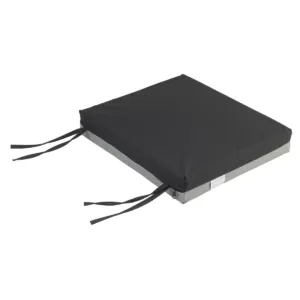
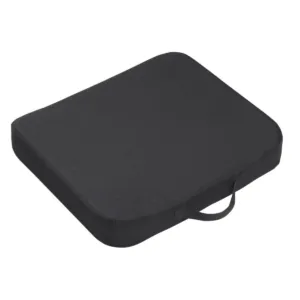
A wheelchair cushion should match the chair’s seat dimensions and be positioned in the correct direction. Some cushions have a clearly defined front and back.
Check that the cushion does not slide, fold or hang over the seat edge. Make sure the cover is installed properly and not pulled unusually tight.
Check the mattress setup
A mattress or overlay should fit the bed frame it is designed for. If an overlay is used, the mattress underneath should meet the product requirements.
For powered air systems, check hoses, pumps and alarm indicators according to the instructions. Do not ignore repeated alarms or loss of pressure.
Follow the person’s positioning plan
Some people are given a schedule or specific positioning instructions by their healthcare team. Follow that plan rather than creating a different routine from general information.
If the person cannot maintain the recommended position or the equipment makes the position difficult, contact the clinician who set the plan.
Keep covers smooth and correctly fitted
Bunched fabric, folded pads or misplaced covers can change how a support surface feels. Use the manufacturer’s recommended cover and bedding arrangement.
Avoid adding thick household cushions or several layers unless the clinician and product instructions allow them. Extra layers can change how a pressure support surface works.
Inspect equipment for damage
Foam can flatten or crack. Air products can lose pressure. Covers can tear, stretch or lose fasteners. Gel products can be damaged internally or externally.
Make equipment inspection part of routine care. Follow the manufacturer’s instructions when a component needs replacement.
Keep the sitting position consistent with the care plan
A cushion can raise the person and change footrest or armrest position. If a different cushion is introduced, check whether the wheelchair setup still matches the user’s fitting plan.
Do not make major wheelchair positioning changes without involving a therapist when the chair was clinically fitted.
What if you notice a skin change?
Skin redness, discoloration, an open area or another concerning change should be discussed with the person’s healthcare professional. Do not rely on purchasing a different cushion or mattress as a substitute for clinical assessment.
A clinician can decide whether the care plan, support surface, position or other factors need to be reviewed.
What about moisture and cleaning?
Follow the cleaning instructions for the cushion or mattress cover. A damaged or heavily soiled cover may need replacement.
Do not use cleaning chemicals that the manufacturer does not recommend because they may damage the cover material.
What mistakes are common?
- Buying a softer cushion without checking whether it fits the care plan.
- Adding several layers on top of a prescribed support surface.
- Using a cushion backward or with the wrong cover.
- Ignoring a pump alarm or a cushion that keeps losing air.
- Changing wheelchair positioning without professional guidance.
- Trying to solve a skin change only by changing equipment.
What equipment details should caregivers know?
Know the model type, size, weight capacity and basic care instructions for the support surface. Keep the operating instructions available for powered equipment.
Caregivers should also know who to contact if the equipment stops working or the person’s clinical needs change.
If you are unsure whether a cushion or mattress matches the person’s care plan, call an Avante Shop specialist for help.
Questions people ask
Can I add a soft pillow on top of a wheelchair cushion?
Do not add layers unless the cushion instructions and the person's clinician say they are appropriate.
What should I do if an air cushion keeps losing pressure?
Check the manufacturer's troubleshooting steps and contact the supplier if the problem continues.
Can I change the person's mattress if the skin looks red?
Skin changes should be discussed with the person's healthcare professional. Do not treat equipment changes as a substitute for clinical assessment.
Why does cushion orientation matter?
Many cushions are shaped for a specific front and back. Incorrect placement can change the intended support.
This guide is general product information, not medical advice. If you are unsure what is right, speak to your doctor, nurse or therapist.