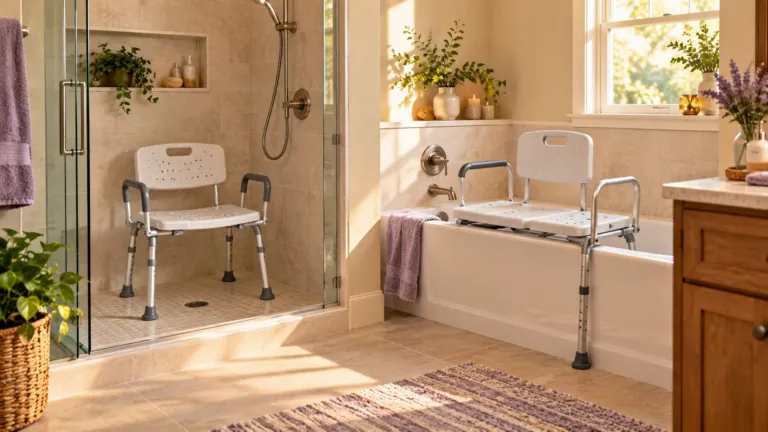
The short answer
- A raised toilet seat increases the sitting height of the toilet.
- A toilet safety frame adds hand supports beside the toilet.
- Check toilet shape, space, attachment method and user fit before buying.
Getting on and off a toilet can become difficult when a person has limited strength, balance or joint movement. Two common equipment types are raised toilet seats and toilet safety frames. They solve different parts of the problem.
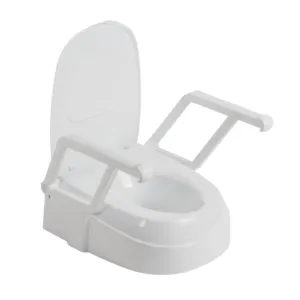
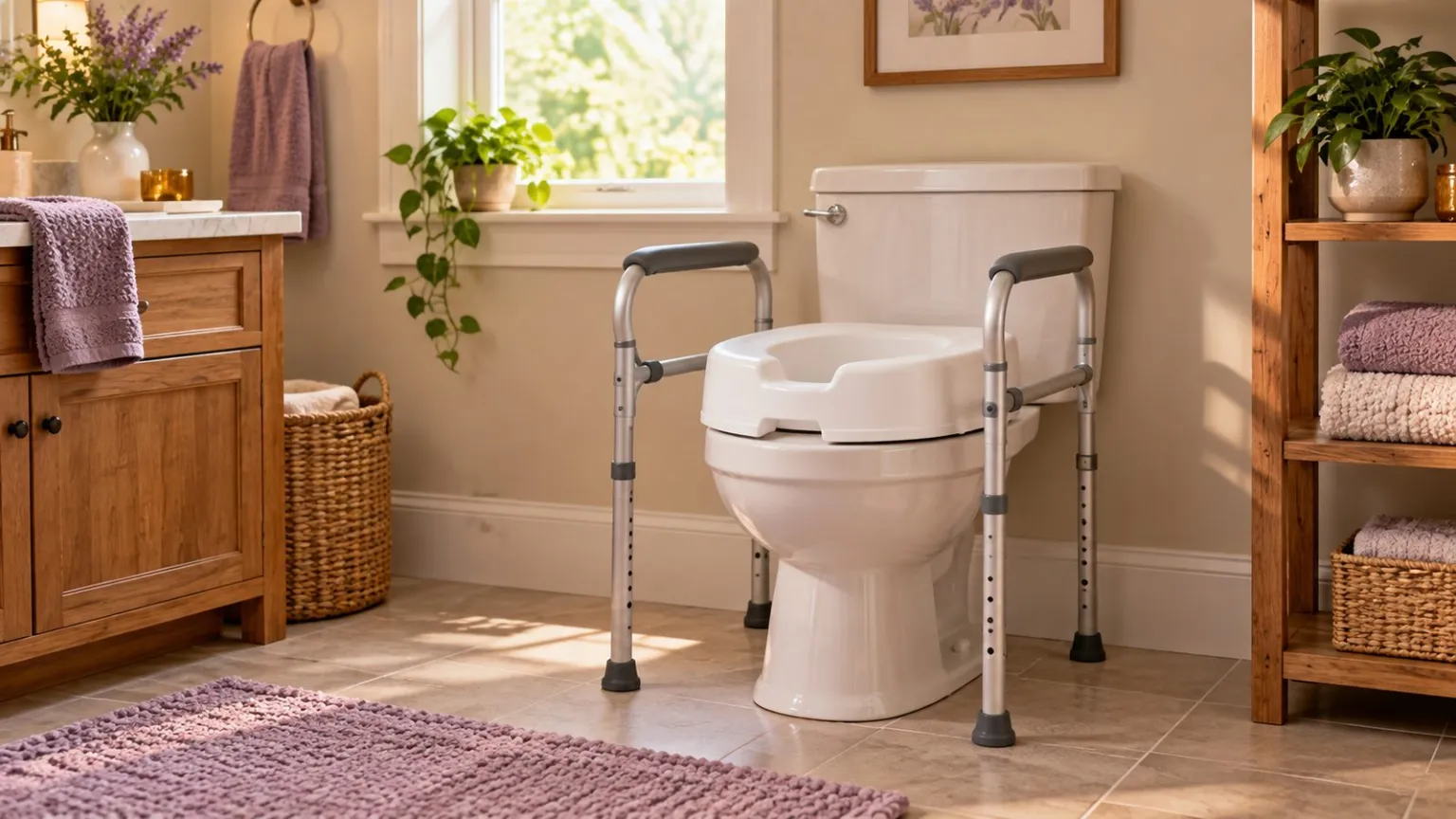
A raised seat changes the height of the sitting surface. A safety frame provides hand supports beside the toilet. Some products combine both features.
If the person has difficulty transferring or has been given movement restrictions by a clinician, ask an occupational therapist or physical therapist to help choose and set up the equipment.
What does a raised toilet seat do?
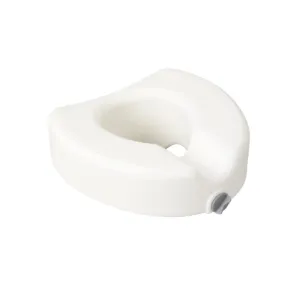
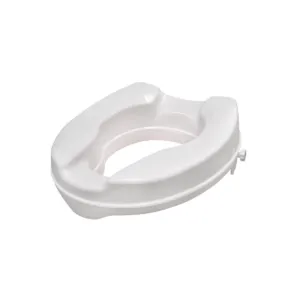
A raised toilet seat sits on or replaces part of the existing toilet seat setup and increases the sitting height. This reduces how far the person needs to lower the body to reach the seat.
Designs differ. Some attach with clamps or locking mechanisms. Others use a replacement seat style. Check the installation instructions for the exact product.
What does a toilet safety frame do?
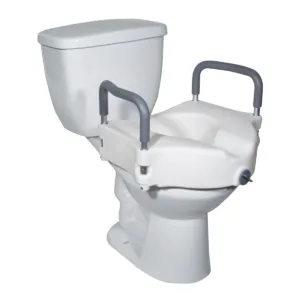
A toilet safety frame provides arm supports on one or both sides of the toilet. Depending on the design, it may attach to the toilet or stand around it.
The frame gives the user a designated place to hold if the product is designed for that purpose. The height and width of the arms may be adjustable.
Can you use both together?
Some setups use a raised seat and separate safety frame. Other products combine a raised seat with integrated arms.
Compatibility matters. Do not assume two separate products can be installed together. Check whether the combination leaves all mounting points secure and enough room for the user.
How much height should a raised seat add?
There is no single correct height for everyone. The appropriate sitting height depends on the person’s leg length, ability to sit and stand, and any instructions from a clinician.
A seat that is too high can leave the feet without comfortable floor contact. A seat that is too low may not provide the change the person needs. An occupational therapist can help assess the correct setup.
Will it fit every toilet?
No. Toilets vary in bowl shape and dimensions. Some are round and some are elongated. Attachment points and seat designs also differ.
Check the product specifications for compatible toilet shapes and measure the existing toilet if needed. A raised seat should attach exactly as the instructions describe.
How much bathroom space is needed?
Measure beside and in front of the toilet. A safety frame may extend outward and could interfere with a cabinet, wall, bathtub or door.
Check whether the user can approach the toilet and turn as needed with any walker or other mobility aid.
What about armrests?
Armrests should be at a useful height and width for the person. The user should not have to reach far sideways or squeeze into a space that is too narrow.
Some armrests are padded or adjustable. Check the stated weight capacity and use them only as the product instructions allow.
How should the equipment be checked after installation?
Make sure every clamp, bolt, bracket or locking mechanism is secure. Press gently on the seat and arms before use to check for movement.
If the seat shifts, rocks or lifts unexpectedly, stop using it and check the installation. A toilet safety product should not depend on a loose fit.
What mistakes are common?
- Buying without checking whether the toilet is round or elongated.
- Choosing seat height without considering foot placement.
- Installing a raised seat loosely.
- Combining a seat and frame that are not designed to work together.
- Ignoring clearance beside the toilet.
- Using towel rails or nearby fixtures as hand supports instead of equipment designed for that purpose.
What should you compare before buying?
Check toilet compatibility, added seat height, seat opening dimensions, armrest width, overall width, attachment method and weight capacity. Measure the space around the toilet and think about how the person approaches and leaves the area.
If transfers are difficult, equipment choice should be part of a broader bathroom assessment rather than a guess based on one measurement.
If you are unsure which toilet safety option fits your bathroom, call an Avante Shop specialist for help.
Questions people ask
Is a raised toilet seat the same as a safety frame?
No. A raised seat changes sitting height. A safety frame adds hand supports, although some products combine both.
Do raised seats fit every toilet?
No. Check toilet shape, dimensions and the attachment method required by the product.
Can a raised toilet seat be too high?
Yes. Seat height needs to suit the person's body and transfer needs. A therapist can help when fit is uncertain.
Should the seat move when I press on it?
It should remain secured as described in the instructions. If it shifts or rocks, check the installation before use.
This guide is general product information, not medical advice. If you are unsure what is right, speak to your doctor, nurse or therapist.