The short answer
- Wall mounted grab bars are attached to suitable structural support according to their instructions.
- Suction devices depend on the surface and should only be used for the purpose stated by the manufacturer.
- Placement should match the person's actual standing and transfer movements.
A grab bar gives a person a designated place to hold in a bathroom. Where it is installed and how it is attached matter as much as the bar itself.
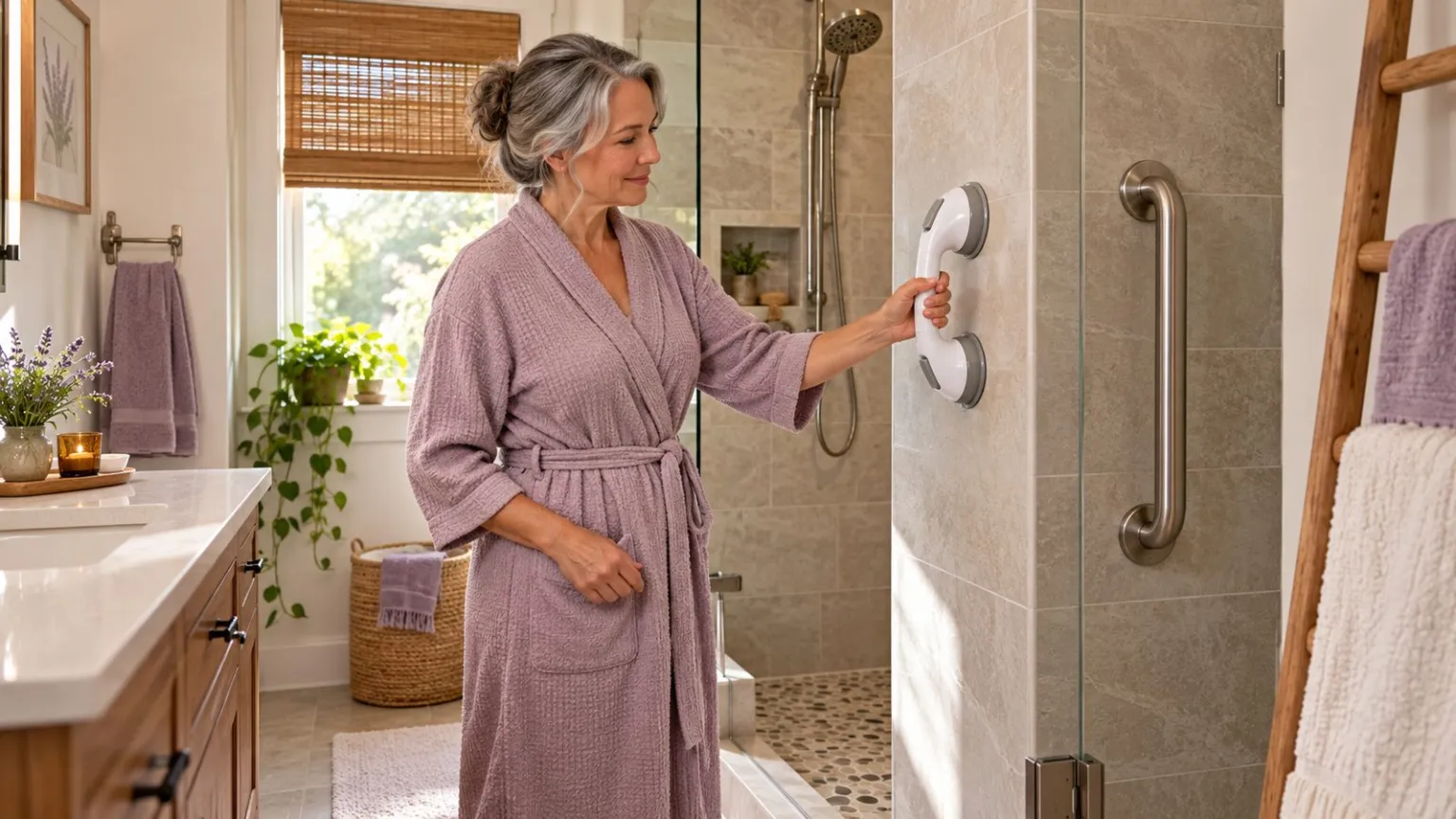
Wall mounted grab bars and suction style assist handles are not interchangeable. Their attachment methods and intended uses are different. If the person needs substantial support during transfers or bathing, an occupational therapist can assess the bathroom and recommend appropriate placement.
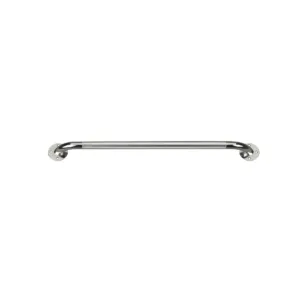
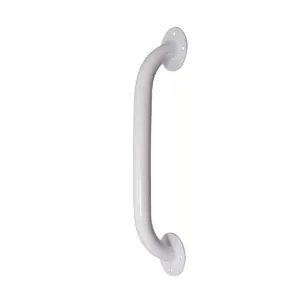
What is a wall mounted grab bar?
A wall mounted grab bar is fastened to the wall using hardware and an installation method specified by the manufacturer. The mounting surface needs to provide suitable support for the bar and its intended load.
Installation may require locating wall framing or using another approved structural mounting method. If there is any uncertainty, use a qualified installer.
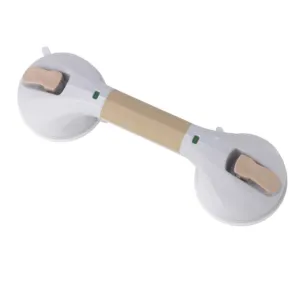
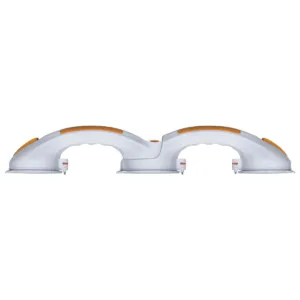
What is a suction grab handle?
A suction style handle attaches to a smooth surface using suction cups or a similar mechanism. It does not have the same permanent attachment as a properly installed wall mounted bar.
Surface texture, grout lines and moisture can affect suction. Follow the product instructions carefully and check the attachment before every use.
Do not assume a suction device is intended to support full body weight. Use it only for the purpose stated by the manufacturer.
Which type should be used for strong support?
If the person needs a bar to bear significant force during standing, sitting or transferring, discuss the requirement with an occupational therapist and choose equipment designed and installed for that purpose.
A securely mounted grab bar is generally the type considered for dependable structural support. Correct installation is essential.
Where should a grab bar go in a shower?
Placement depends on where the person enters, stands, sits and turns. A bar that looks well placed from outside the shower may be too far away when the person actually needs it.
Stand outside the bathing area and identify the normal movement path. Consider whether support is needed during entry, while standing or when sitting on a bath seat.
An occupational therapist can recommend location and orientation based on the user’s movements.
Where should a grab bar go near a bathtub?
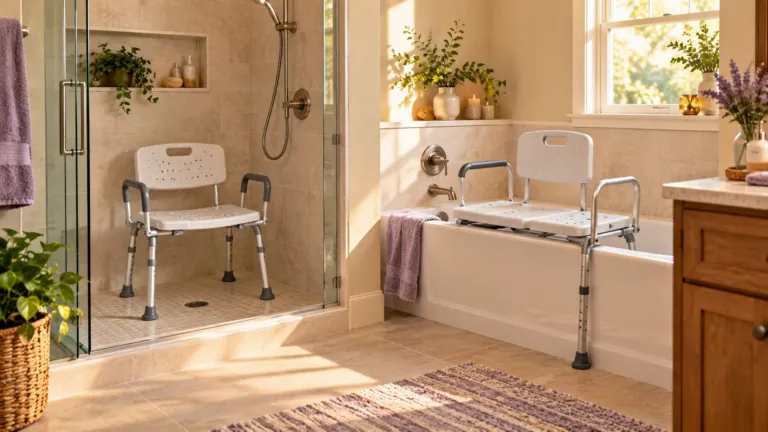
Think about the step over the tub wall and whether the person uses a transfer bench. The useful bar location for someone stepping into the tub may be different from the location for someone sitting and sliding across a bench.
A bar should not require the person to twist, reach behind the body or stretch a long distance.
What about beside the toilet?
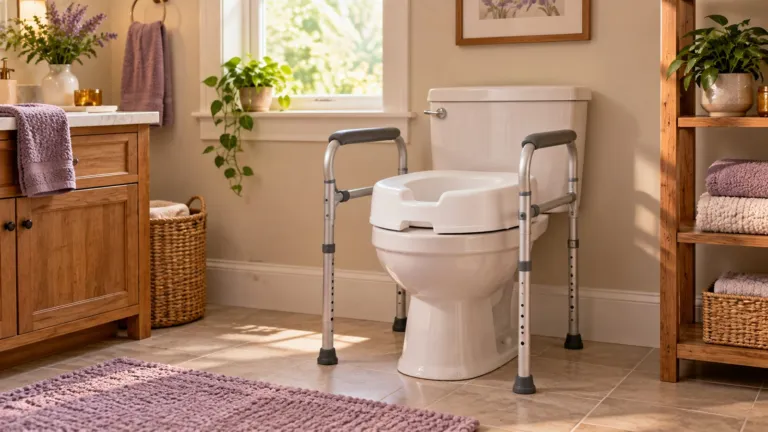
Some bathrooms use wall mounted grab bars near the toilet, while others use toilet safety frames. The choice depends on wall location, available space and how the person transfers.
Do not rely on a towel rack, toilet paper holder or sink as a substitute for a grab bar unless it is specifically designed and installed to provide support.
Are horizontal and vertical bars used differently?
Orientation affects how a person can grip the bar. Horizontal, vertical and angled placements can support different hand positions and movements.
There is no single orientation that suits every person. Placement should be based on actual reach and transfer technique rather than decoration or tile layout.
What should you check on a suction handle?
Make sure the surface is one approved by the manufacturer. The suction cups generally need a smooth, clean area without grout lines passing underneath them.
Check any attachment indicator if the product includes one. Remove and reinstall the device according to its instructions when necessary.
What mistakes are common?
- Treating a suction handle as if it were permanently mounted.
- Installing a wall mounted bar without suitable structural support.
- Placing a bar where the person has to stretch to reach it.
- Using towel bars as hand supports.
- Choosing placement based only on appearance.
- Failing to check a suction attachment before use.
What should you check before buying?
Decide what movement the bar needs to support and where the user’s hand naturally reaches. Check bar length, grip diameter, mounting method and the type of wall or surface available.
If structural installation is required, plan that before ordering. If the person has significant transfer difficulty, ask an occupational therapist to assess placement.
If you are unsure which bathroom support option fits your space, call an Avante Shop specialist for help.
Questions people ask
Are suction grab bars as strong as wall mounted bars?
They use a different attachment method and should only be used for the purpose stated by the manufacturer. Do not treat a suction handle as permanent structural support.
Can I install a grab bar anywhere on the wall?
No. Wall mounted bars require suitable structural support and correct installation.
Is a towel bar safe to hold when standing?
A towel bar should not be treated as a grab bar unless it is specifically designed and installed for that use.
Who can help decide where a grab bar should go?
An occupational therapist can assess how the person moves through the bathroom and recommend useful locations.
This guide is general product information, not medical advice. If you are unsure what is right, speak to your doctor, nurse or therapist.