The short answer
- Foam is generally simple and does not require inflation.
- Gel can add weight and may be combined with foam.
- Air systems may require pressure adjustment, pumps or regular checks.
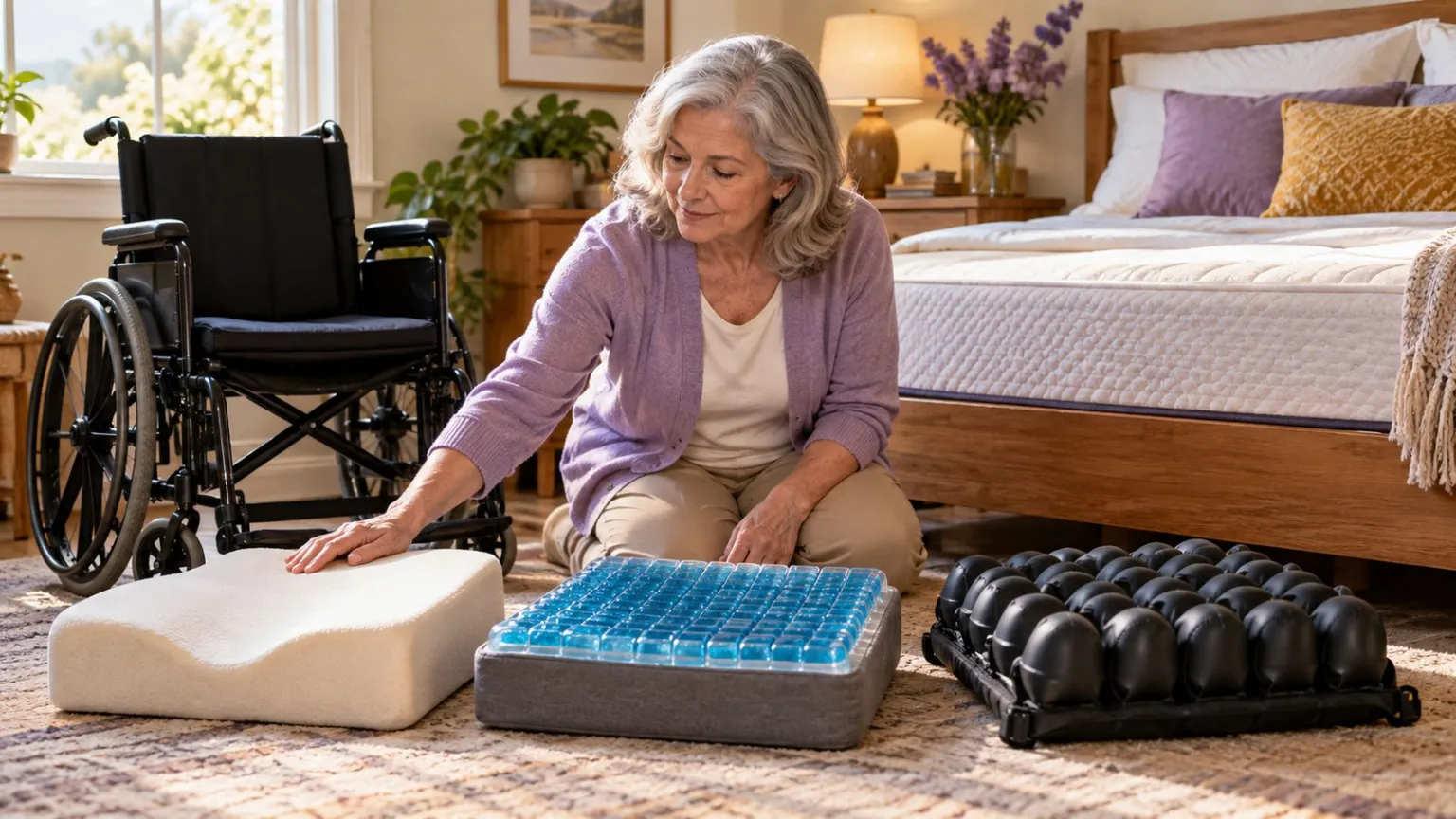
Foam, gel and air are common materials used in wheelchair cushions and support mattresses. The material affects how the product feels, how it is maintained and whether it needs adjustment.
No material is automatically right for every person. When a cushion or mattress is being chosen for skin protection, positioning or a clinical care plan, ask the person’s doctor, nurse, physical therapist or occupational therapist which type is appropriate.
What is a foam support surface?
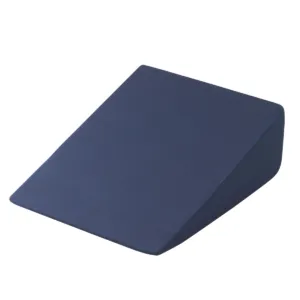
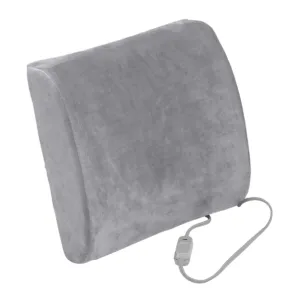
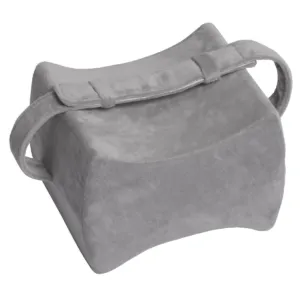
Foam products use one or more layers of material that compress under the body. The surface may be flat, contoured or divided into zones depending on the design.
Foam usually does not need a pump or inflation adjustment. This can make setup straightforward. The tradeoff is that foam can wear, compress or change shape with use, so it should be inspected according to the manufacturer’s instructions.
What is a gel support surface?
Gel is often used inside a cushion or mattress layer along with foam or another support material. It can feel different from foam and may add weight to the product.
Check how the manufacturer says the gel layer should be positioned and handled. Some products have specific orientation requirements.
If the internal material is damaged or displaced, follow the product instructions rather than trying to repair it with household materials.
What is an air support surface?
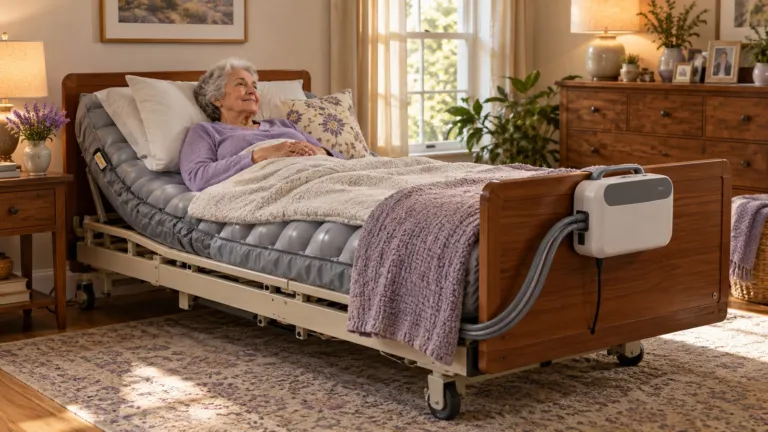
Air products use inflated cells or chambers. Some are static once adjusted. Others connect to a powered pump that changes pressure or maintains a selected setting.
Air systems may require more setup and ongoing checks. Valves, hoses, pumps and air pressure need to work as intended.
Follow the manufacturer’s inflation method and the clinician’s instructions. Do not guess at a pressure setting.
Which type requires the least adjustment?
Foam products generally need less mechanical adjustment because there is no air pressure to set. They still require correct sizing, orientation and inspection.
Gel products may also be simple to use but can have specific positioning or handling requirements. Air products often require the most attention to inflation and leaks.
Which type is easiest to transport?
That depends on the exact product. Foam can be light, while gel can add weight. Air cushions may be relatively light but may require a pump or adjustment tool.
For a wheelchair cushion, check product weight if the cushion will often be carried separately. For a mattress, transport may matter less than bed compatibility and care requirements.
How do you choose the right size?
For a wheelchair, match cushion width and depth to the seat according to the product instructions. Cushion height also matters because it changes the user’s sitting position.
For a mattress, match the support surface to the bed deck dimensions and compatible frame. Avoid gaps or unsupported areas.
What about covers?
The cover is part of the product. It may be designed to stretch, resist moisture or protect the internal material.
Follow washing or cleaning instructions. Do not replace the cover with a tight household cover that changes the way the cushion or mattress moves under the user.
How do you inspect foam?
Look for permanent flattening, cracks, crumbling or areas that do not return to their expected shape. Check the cover for damage as well.
If the foam appears damaged, consult the product instructions or supplier about replacement.
How do you inspect gel or air?
For gel products, look for damage to the cover or signs that the internal material is no longer sitting as intended. For air products, check valves, hoses and inflation.
If an air product repeatedly loses pressure, stop relying on informal reinflation and identify the cause according to the manufacturer’s troubleshooting steps.
What mistakes are common?
- Choosing material without considering fit.
- Assuming one material works best for every person.
- Ignoring cushion or mattress height.
- Using an air product without learning its adjustment method.
- Adding extra padding that is not part of the prescribed setup.
- Continuing to use a damaged cover or internal material.
What should you compare before buying?
Check dimensions, material, weight capacity, cover, adjustment requirements and maintenance. For powered air systems, check pump controls and power requirements.
Use the person’s clinical care plan to guide the final choice when pressure management or positioning is involved.
If you are unsure which support surface type fits your needs, call an Avante Shop specialist for help.
Questions people ask
Is air better than foam?
Not for everyone. Each material has different fitting and maintenance needs, and clinical requirements should guide the choice.
Do gel cushions need a pump?
No. Gel products do not use inflation, although some cushions combine several materials.
Can foam wear out?
Yes. Check for flattening, cracking or changes in shape and follow the manufacturer's replacement guidance.
Do air cushions need regular checks?
Yes. Inflation, valves and leaks may need to be checked according to the product instructions.
This guide is general product information, not medical advice. If you are unsure what is right, speak to your doctor, nurse or therapist.